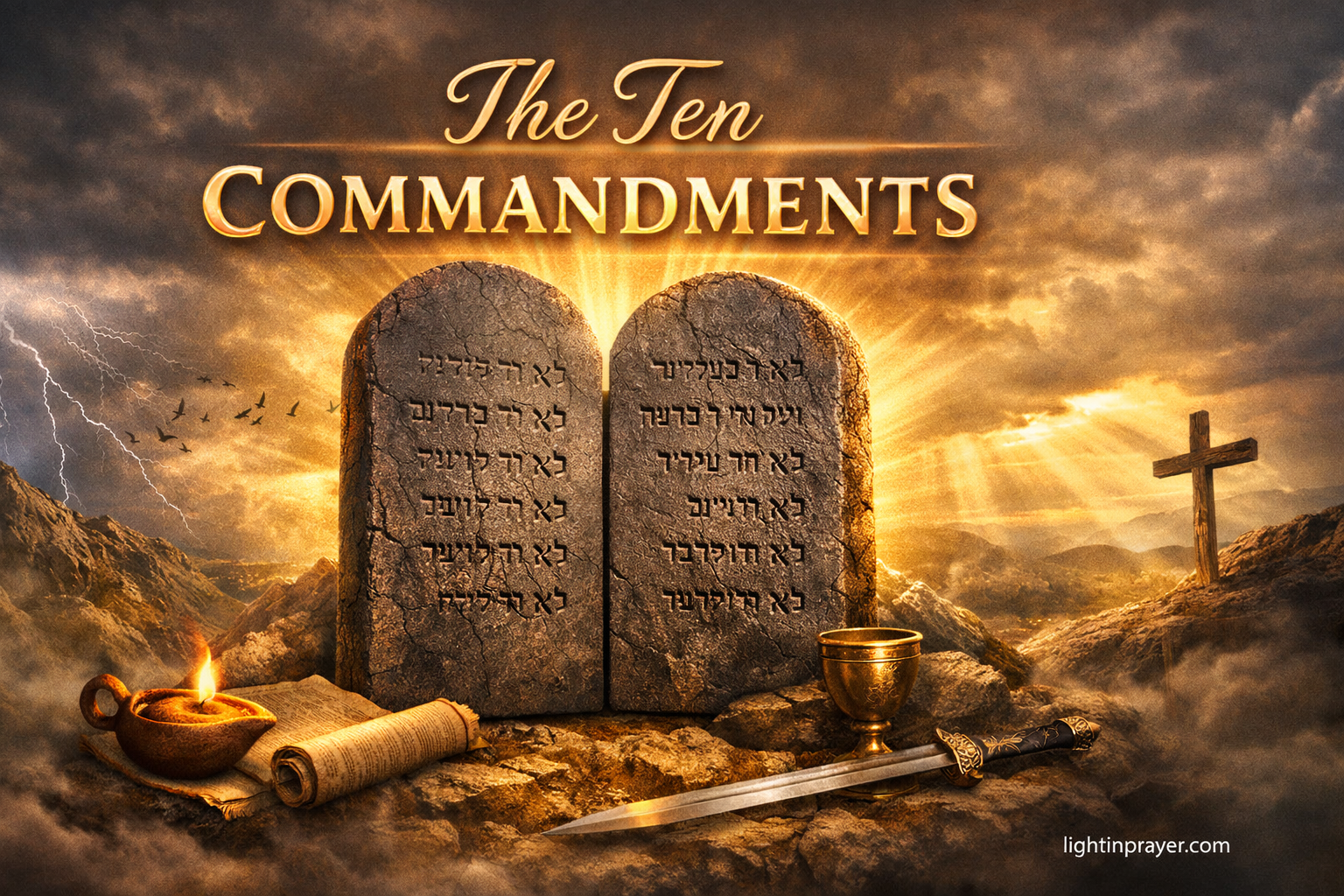
In the journey of faith, human hearts often search for guidance that can illuminate the path of life with clarity, purpose, and righteousness. Among the greatest gifts given to humanity by God are the sacred instructions that guide human conduct, relationships, and devotion to the Almighty. These instructions, handed down long ago, serve not only as laws but as a moral compass for believers, helping them distinguish between right and wrong, love and indifference, truth and falsehood. They remind us of our dependence on God and the responsibility we carry toward one another. Living by these sacred instructions is more than obedience; it is a journey of the heart, mind, and soul—a commitment to walking in integrity, humility, and faith.
These instructions were given to a chosen leader in a moment of divine encounter. Through these commandments, the Almighty sought to create a society that reflected His holiness, justice, and mercy. They speak to human desires, fears, and weaknesses, yet they also elevate the soul toward divine purpose. Their enduring relevance shows us that though centuries have passed, the principles of love, respect, honesty, and devotion are timeless. They are not mere rules written on stone but windows into the character of God, inviting humanity to a deeper understanding of divine will. They teach us how to honor God in our hearts, value life, respect our neighbors, and cultivate a life rooted in righteousness and truth.
The Ten Commandments-Exodus 20
1. No Other Gods Before Me
Heavenly Father,
Help me to put You first in every part of my life. Guard my heart from distractions and false idols. Teach me to trust only in You, seek Your presence above all things, and find my joy in Your love. Let my devotion be pure and my life a testimony of Your greatness. Amen.
“You shall have no other gods before Me.” (Exodus 20:3)
This commandment calls us to prioritize God above all else. It reminds us that anything we elevate above Him—wealth, comfort, status, or even relationships—becomes an idol. True faith begins with putting God first, trusting Him to guide our decisions, and seeking His glory in all things. Our obedience shows love and reverence, grounding our lives in eternal truth.
Start Your Day with Faith!
Sign up to receive a daily prayer delivered to your inbox. Start each morning with hope, faith, and gentle guidance.
2. Do Not Make Idols
Lord, keep me from worshiping images, possessions, or ideas above You. May my heart always be fixed on Your invisible presence and Your eternal power. Teach me to honor You with reverence, not substitutes. Amen.
“You shall not make for yourself a carved image… You shall not bow down to them or serve them.” (Exodus 20:4-5)
3. Do Not Take God’s Name in Vain
Almighty God, may my words honor You. Keep me from carelessness in speech about Your name and Your works. Teach me to speak with reverence, truth, and love, reflecting Your holiness in all I say. Amen.
“You shall not take the name of the Lord your God in vain, for the Lord will not hold him guiltless who takes His name in vain.” (Exodus 20:7)
This commandment emphasizes the sacredness of God’s name. It reminds us that speech reflects the heart. Using God’s name carelessly diminishes reverence and damages the soul. Speaking of God with respect fosters awe, trust, and integrity in both personal and communal life.
4. Remember the Sabbath
Lord, help me to rest in You and honor Your day. Teach me to pause, reflect, and rejuvenate in Your presence. May my rest strengthen my spirit and renew my devotion. Amen.
“Remember the Sabbath day, to keep it holy. Six days you shall labor, and do all your work, but the seventh day is a Sabbath to the Lord your God.” (Exodus 20:8-10)
The Sabbath reminds us that rest is sacred and essential. It is a time to connect with God, reflect on His goodness, and recharge for service. Observing rest nurtures spiritual, emotional, and physical balance, teaching us dependence on God rather than constant self-reliance.
5. Honor Your Parents
Heavenly Father, help me to honor and respect my parents, giving them love and obedience as You command. Teach me gratitude for their care, wisdom for their guidance, and compassion for their needs. Amen.
“Honor your father and your mother, that your days may be long in the land the Lord your God is giving you.” (Exodus 20:12)
This commandment links divine blessing with human relationships. Respecting parents reflects our respect for God’s design and order. It cultivates humility, gratitude, and harmony in families and society, reinforcing values that sustain generations.
6. Do Not Murder
Lord, guard my heart against anger, hatred, and violence. Teach me to respect all life, forgive others, and seek peace. May I be a source of life, healing, and love in the world. Amen.
“You shall not murder.” (Exodus 20:13)
This commandment extends beyond physical harm to include contempt, malice, and hatred. Life is sacred because it is God’s gift. Protecting and nurturing life demonstrates reverence for the Creator and compassion for others, forming the foundation of moral society.
7. Do Not Commit Adultery
Father, protect my heart, thoughts, and relationships. Give me purity, faithfulness, and love in all my relationships. May I honor the sanctity of marriage and treat others with respect and integrity. Amen.
“You shall not commit adultery.” (Exodus 20:14)
8. Do Not Steal
Lord, help me to respect the possessions of others. Keep me honest in all dealings, generous in sharing, and faithful in stewardship. May I live with integrity and contentment. Amen.
“You shall not steal.” (Exodus 20:15)
Taking what belongs to another violates trust and justice. This commandment encourages honesty, diligence, and respect for others’ rights. Living truthfully fosters harmony and strengthens community bonds, reflecting God’s righteousness in everyday life.
9. Do Not Bear False Witness
God of Truth, guide my speech. May I never lie, slander, or deceive. Teach me to speak truthfully, protect the innocent, and honor justice in all my words. Amen.
“You shall not bear false witness against your neighbor.” (Exodus 20:16)
Truthfulness is essential to justice and trust. Lies destroy relationships and communities. This commandment calls us to honesty, integrity, and courage, reminding us that our words have power and reflect the condition of our hearts.
10. Do Not Covet
Lord, purify my heart from envy and greed. Teach me contentment, gratitude, and generosity. Help me to rejoice in the blessings of others while trusting You to provide for my needs. Amen.
“You shall not covet your neighbor’s house; you shall not covet your neighbor’s wife, or his male servant, or his female servant, or his ox, or his donkey, or anything that belongs to your neighbor.” (Exodus 20:17)
Coveting stems from discontent and self-centered desire. This commandment reminds us that true fulfillment comes from gratitude, trust in God’s provision, and rejoicing in the blessings of others. Contentment nurtures peace, joy, and harmony in the heart and community.
- 44+ Powerful Prayer for Shabbat Candles with Bible verses
- 20+ Dangerous Prayer Points during Fasting with Scriptures
- 20+ Powerful Prayers for Pets with Bible Verses
- 20+ Powerful Prayers for Christ the King Sunday with Scriptures
- 20+ Powerful Warfare Prayer Points for Healing with Scriptures
- 20+ Powerful Prayers for Help in Times of Trouble with Scriptures
- 20+ Powerful Prayers for Detachment with Bible Verses
- 20+ Powerful Prayers for Salvation with Bible Verses
- 20+ Powerful Short Prayer of Surrender Catholic with Scriptures
Where Are the Original Ten Instructions in the Bible?
The sacred instructions were first given on Mount Sinai to Moses during a direct encounter with God. These instructions were written by the finger of God on two stone tablets, symbolizing their permanence and divine origin. They were meant to guide the Israelites in moral, spiritual, and communal life.
“So God gave to Moses, when He had finished speaking with him on Mount Sinai, the two tablets of the testimony, tablets of stone, written with the finger of God.” (Exodus 31:18)
The Bible records these instructions in Exodus 20:1–17 and again in Deuteronomy 5:6–21. The repetition emphasizes their importance and ensures that the people understood their central role in life and worship. These passages are not just historical records; they continue to provide timeless guidance. They remind us that the foundation of a righteous life begins with loving God fully and treating others with justice, respect, and integrity.
The original instructions were comprehensive yet simple, focusing on the heart’s orientation toward God and neighbor. They are a moral compass that transcends culture, time, and circumstance. Even today, their principles shape ethical behavior, spiritual devotion, and the character of those who seek to live faithfully. Studying these passages encourages reflection, repentance, and renewal, reminding believers that obedience to God is both an honor and a source of blessing.
Are the Ten Instructions Part of the 613 Laws?
The Hebrew Scriptures contain a total of 613 laws given to the Israelites, covering moral, ceremonial, and civil matters. These instructions are considered the moral core of these laws, providing the guiding principles for all other regulations. While the 613 laws include detailed prescriptions for religious rituals, dietary rules, and community governance, the Ten Instructions focus on universal principles that reflect God’s character and expectations for human behavior.
“For I am the Lord your God… You shall have no other gods before Me; you shall not murder; you shall not steal; you shall not bear false witness.” (Exodus 20:2–16, summarized)
Think of the Ten Instructions as the foundation stone. Without this foundation, the rest of the laws lose their meaning. The 613 laws elaborate on these core principles in daily life, offering practical applications and reinforcing moral behavior. For example, laws about justice, honesty, and care for the poor expand on the instructions against stealing, lying, and coveting. By understanding the Ten Instructions, one gains insight into the heart of God’s law and sees how all other rules are intended to lead the people toward righteousness, faithfulness, and loving relationships.
When Did the Ten Instructions Get Removed?
The Ten Instructions were never truly “removed,” but their role evolved over time, especially with the coming of Jesus Christ. Under the Old Covenant, these instructions were central to the Israelites’ identity and obedience. However, with the New Covenant established through Christ, the moral principles of these instructions were fulfilled and deepened in a spiritual sense.
“Do not think that I have come to abolish the Law or the Prophets; I have not come to abolish them but to fulfill them.” (Matthew 5:17)
In Christ, the focus shifted from strict external observance to internal transformation. The commandments are still binding in their moral essence, but they now guide the believer’s heart, thoughts, and intentions. Instead of mere legal compliance, the believer is called to love God and neighbor fully, living the spirit of the instructions rather than only the letter.
Some ceremonial laws, sacrifices, and ritualistic observances no longer apply because they pointed forward to Christ. Yet the instructions regarding worship, honesty, justice, respect, and love remain central. They are not removed; they are fulfilled, deepened, and internalized, showing that God’s law is ultimately about heart transformation and relational righteousness.
This evolution demonstrates that God’s guidance adapts to the unfolding of His plan while keeping His moral and spiritual truths eternal. Believers today are called to embody these principles, not out of fear of punishment, but out of love, gratitude, and devotion to God.
Conclusion
The Ten sacred instructions remain a timeless guide for humanity, revealing God’s heart and His desire for our lives. They show us how to live in harmony with Him and with one another, emphasizing reverence, love, honesty, respect, and moral integrity. From honoring God alone to cultivating contentment and purity in our hearts, each instruction addresses not only actions but intentions, shaping the way we think, speak, and interact with the world around us. They are not mere rules to follow but invitations to live fully aligned with God’s will, bringing peace to our hearts, order to our communities, and clarity to our purpose. Their presence in Scripture reminds us that God desires a life of integrity, humility, and devotion, rooted in both moral discipline and sincere love.
Though centuries have passed since they were first given on stone tablets, these instructions remain relevant, forming the moral foundation upon which all righteous living rests. Even as some ceremonial aspects of the law have been fulfilled in Christ, the principles endure, calling us to internalize their truth and let it transform our hearts. By studying, meditating on, and applying them, believers find guidance through life’s challenges, clarity in moral decision-making, and strength in cultivating relationships marked by respect and love. Ultimately, these instructions point us toward a life of faithfulness, obedience, and harmony with God’s plan, reminding us that living by His ways brings blessing, protection, and the joy of walking closely with Him each day.
Peace of mind is something every heart longs for—especially in a world filled with constant noise, endless tasks, and unexpected Read more
Life is filled with both visible and invisible battles. While many of us go about our daily lives focused on Read more

Each new morning is a gift from God — an opportunity to start afresh, to draw near to His presence, Read more
Each day is a gift — a fresh page to be written, a new opportunity to grow, serve, and draw Read more
Recommended :